
Gulu, Uganda — The University of the Sacred Heart Gulu has officially embarked on the development of its 2026–2031 Strategic Plan, marking an important stage of reflection, renewal, and institutional growth.
The new five-year plan will guide the University's priorities, programmes, investments, partnerships, and development agenda from 2026 to 2031. It will build on the achievements and lessons of the current planning cycle while positioning USHG to respond more effectively to emerging opportunities in higher education, research, innovation, digital transformation, community engagement, and institutional sustainability.
Importantly, the 2026–2031 Strategic Plan will be aligned to the University's 50-Year Physical Infrastructure Master Plan of 2018. This alignment will ensure that the University's short- and medium-term priorities contribute to its long-term vision of building a strong, sustainable, and mission-driven institution.
Key Priority Areas
The plan is expected to focus on key priority areas, including:
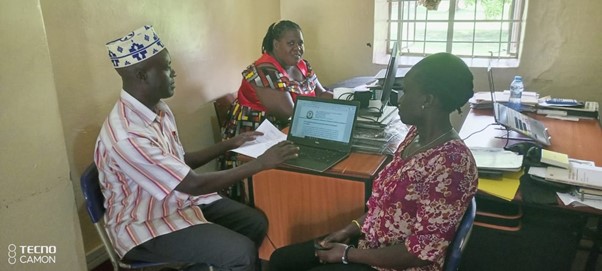
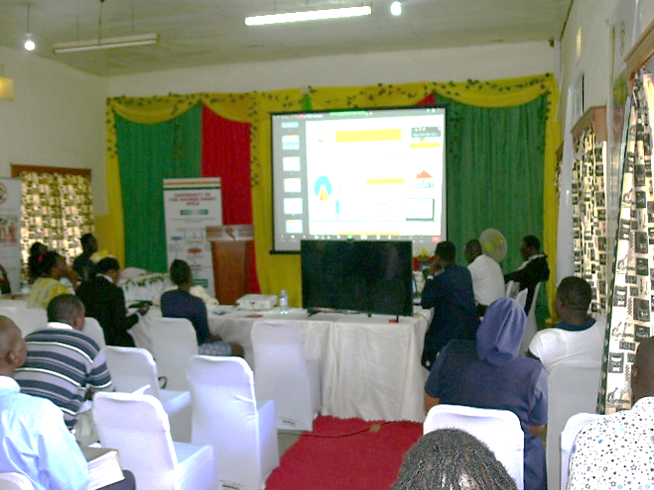
Unlike previous planning processes, the new Strategic Plan is being developed through wider and more inclusive consultations involving the University Council, Management, faculties, departments, administrative units, students, staff, partners, and other key stakeholders. The process is intended to ensure that the final plan reflects the aspirations of the University community and the wider society USHG serves.
"The 2026–2031 Strategic Plan gives us an opportunity to listen, reflect, and dream together as a University community. We are consulting widely because the future of USHG must be shaped by the voices, experiences, and aspirations of our stakeholders."
— Rev. Fr. Dr. Jino O. Mwaka, Vice Chancellor
The development of the new Strategic Plan also comes at a critical time when the University of the Sacred Heart Gulu is advancing its application for a Charter from the National Council for Higher Education. In this regard, the 2026–2031 Strategic Plan will serve as an important institutional tool for demonstrating the University's readiness for long-term growth, improved governance, academic quality, infrastructure development, human resource capacity, research advancement, and sustainable management.
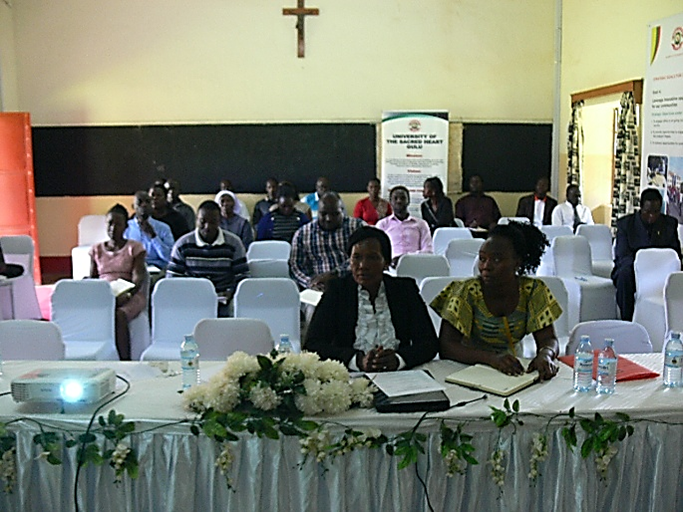
Governance and Institutional Continuity
The Vice Chairman of the University Council, Mr. Charles Abola, who also chairs the Finance, Planning and Development Committee of Council, welcomed the process and highlighted the importance of strong governance, stakeholder ownership, financial stability, and institutional continuity.
"Council is pleased to see a strategic planning process that is consultative, evidence-based, and forward-looking. The 2026–2031 Strategic Plan should help the University sharpen its priorities, strengthen accountability, and ensure that every major decision contributes to the long-term direction set out in the 50-Year Master Plan."
— Mr. Charles Abola, Vice Chairman of Council

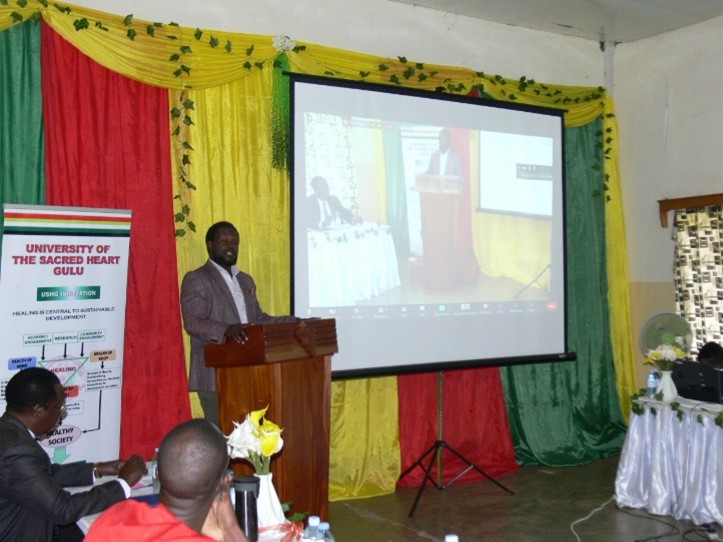
Results-Oriented Approach
According to the Coordinator of the Strategic Planning Committee, Dr. Robinson Otim, PhD, the new plan will be different because of its stronger focus on measurable results, implementation discipline, and alignment between short-term action and long-term institutional transformation.
"This Strategic Plan is being developed with a clear emphasis on action, results, and accountability. We are moving beyond broad statements of intention to define clear priorities, measurable targets, responsible offices, timelines, and indicators of success."
— Dr. Robinson Otim, PhD, Coordinator, Strategic Planning Committee
A major feature of the new plan will be its results-oriented approach. Each strategic priority will be supported by clear objectives, strategies, flagship activities, expected outputs, indicators, baselines, targets, and responsible offices. This will strengthen monitoring, reporting, accountability, and institutional learning throughout the implementation period.
The alignment with the 50-Year Master Plan will also ensure that the University's five-year actions are not implemented in isolation, but as part of a broader institutional growth pathway. Decisions on infrastructure, academic programmes, staffing, digital systems, partnerships, research, and community engagement will therefore be guided by both immediate needs and long-term institutional goals.
As consultations continue, the University calls upon all stakeholders to actively participate and contribute ideas that will shape the next chapter of USHG's growth.